In this series of articles, we examine the competing proposals by Netflix and Paramount for the acquisition of Warner Bros. Discovery, unpacking not only the financial and strategic dimensions but also the antitrust and regulatory issues that will ultimately influence the fate of these deals.
Overview
In September 2025, Warner Bros. Discovery found itself at a crossroads. The storied media conglomerate was facing mounting pressure from the harsh economics of streaming and the relentless consolidation sweeping through the entertainment industry.
When Paramount Skydance came knocking with an unsolicited bid in September, it confirmed what many in the industry already suspected: Warner was in play, and the coming months would determine not just the company’s fate, but the shape of the entertainment industry itself.
By October, Warner’s board had decided to open a formal auction and invite bids. That’s when major players like Netflix and Comcast entered the fray to kick off the battle for Warner Bros. Discovery and, effectively, dominance in the online streaming market.
Paramount’s Opening Moves
Paramount had submitted a few different offers over the last three months, each time targeting the entire Warner Bros. Discovery company – studios, the HBO Max streaming service, cable networks like CNN and TNT, sports assets, everything.
Their first bid in September came in at $25.50 per share, which the Warner board rejected since it wasn’t the right price. By November, Paramount was back with a $27 per share bid for the complete company, which again got rejected. At this point, Netflix was already making significant headway in closing a deal with Warner Bros. Discovery.
The Netflix Deal
Netflix’s pitch was fundamentally different. Rather than chase the entire conglomerate, Netflix went after the crown jewels: the studios, HBO, and the streaming assets. On December 5, Netflix and Warner announced a definitive merger agreement, the financial terms of which were:
- $27.75 per share comprising $23.25 in cash and $4.50 in Netflix stock
- Total equity value of approximately $72 billion
- Enterprise value of $82.7 billion
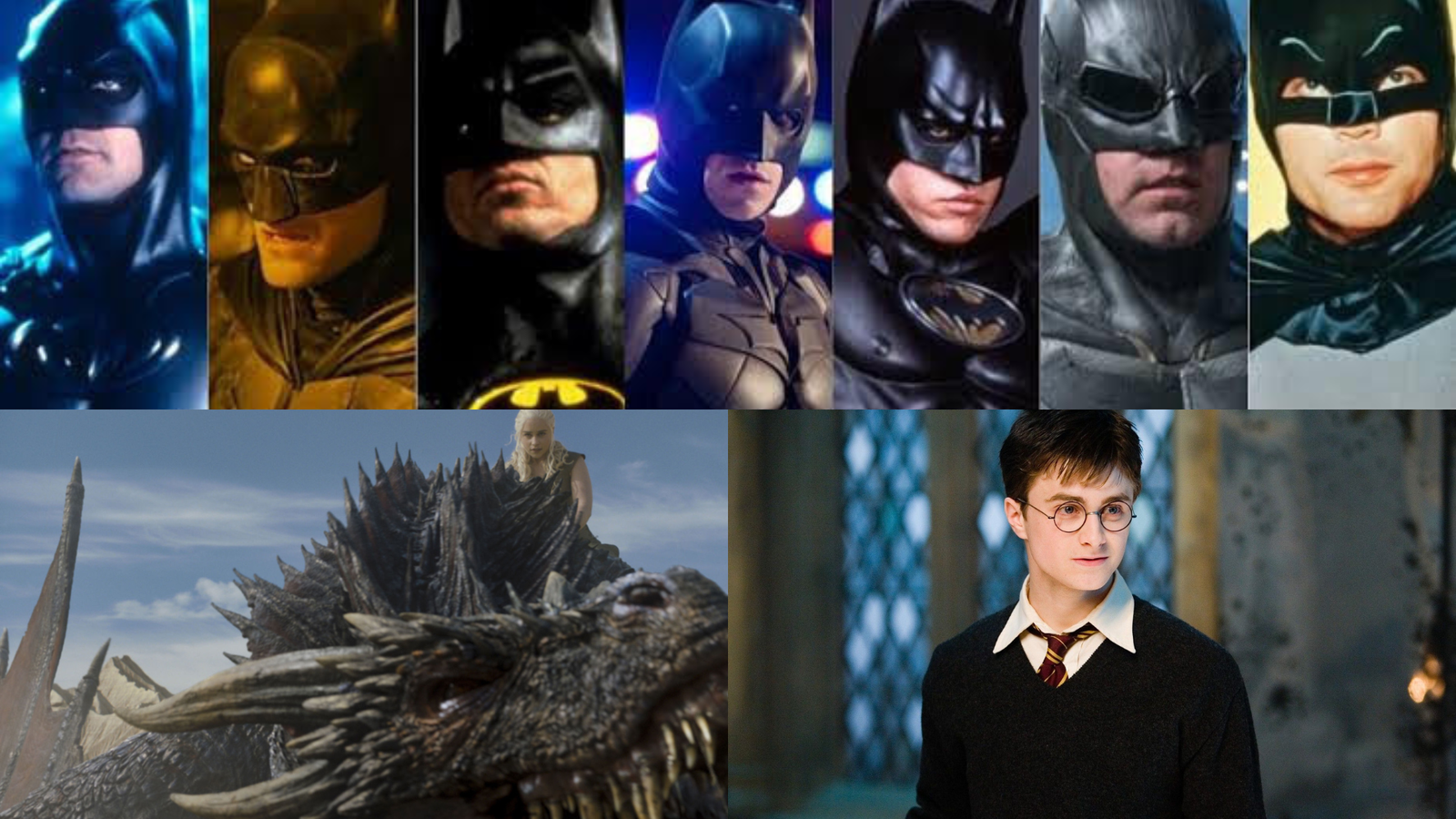
What Netflix was actually getting mattered enormously to the Warner board’s calculus. Netflix would acquire Warner Bros. Studios (the legendary film production house), HBO and HBO Max (the prestige network and streaming service), DC Entertainment (DC Comics and all associated intellectual property), and TNT Sports. Warner would retain its cable networks which would spin off into a separate public company called Discovery Global by mid-2026.
For Netflix, this acquisition is about consolidating premium scripted television content and first-party streaming distribution. It’s about buying scale, buying libraries, and buying the creative infrastructure to produce prestige content that subscribers would pay for.
Transactions of this scale typically require close involvement from experienced corporate law firm and lawyers, particularly to structure asset carve-outs, manage shareholder obligations, and navigate complex regulatory clearances across multiple jurisdictions.
Paramount Goes Hostile
On December 8, Paramount Skydance launched a hostile takeover bid, bypassing the board entirely and appealing directly to shareholders.
The new bid was for $30 per share in all-cash consideration, representing roughly $108.4 billion in total enterprise value. On paper, this may look like the stronger bid – more per share than Netflix’s offer, and all cash – no stock, no ambiguity, no waiting for Netflix’s share price to vindicate the deal. And it’s for the whole company, not just pieces of it.
To finance this massive deal, Paramount assembled a consortium of heavyweight investors: the Ellison family, three Middle Eastern sovereign wealth funds, and Jared Kushner’s Affinity Partners. The Middle Eastern investors have reportedly agreed to waive governance rights and board seats to mitigate national security concerns.
Paramount CEO David Ellison has meanwhile been on a media blitz, suggesting the board is not keeping the shareholders’ best interest in mind, and even calling President Donald Trump after the Netflix deal was announced to tell him that the transaction would hurt competition.
What Comes Next?
As of mid-December 2025, Netflix’s deal remains in effect but it awaits a shareholder vote and more importantly, regulatory approval. Paramount’s hostile bid, which Warner has acknowledged, is live until 8 January 2026, but the board has reiterated that it is not modifying its recommendation with respect to the agreement with Netflix.
In either case, apart from the financial and market considerations, what neither contender can fail to take into account is the legal question: what would regulators permit? Antitrust concerns in such large mergers are pivotal, and could be a deciding factor in which company prevails.
The outcome will therefore hinge on a few different factors: whether regulators view either transaction as a dealbreaker on antitrust grounds; whether shareholder impatience about delay and uncertainty pushes them toward Paramount’s all-cash certainty; and whether one of the bidders raises its offer further, forcing a new calculation. From a legal standpoint, the competing bids underscore the critical role of a specialized mergers and acquisitions (M&A) Law Firm in assessing antitrust exposure, deal certainty, and long-term enforceability under U.S. and international competition laws.
In Part 2 of this series, we will dive deeper into the legal and regulatory issues raised by both the Netflix and Paramount offers and how these considerations may shape the outcome of this battle.
Authors: Shantanu Mukherjee, Varun Alase