How Do We Regulate Chatbots? A Closer Look

Conversational AI (technology that enables machines to engage in human-like dialogue) has ushered in a new generation of chatbots that increasingly resemble human companions. No longer limited to answering queries or scheduling tasks, today’s chatbots can offer therapy-like support, simulated friendships, and even intimate relationships. Recent reports of so-called “AI psychosis” where chatbots spiral into […]
America’s AI Action Plan: A Heady Cocktail of Techno-optimism, Culture Wars and Geopolitics

On July 23, 2025, the White House unveiled its Artificial Intelligence Action Plan (the “Plan”), following President Donald Trump’s executive order in January titled “Removing Barriers to American Leadership in Artificial Intelligence.” Where previous policy focused on establishing guardrails through executive orders and agency guidance, the new Plan prioritizes deregulation and rapid deployment to accelerate […]
Free Access to Fair Access: The Shift Toward Paid Web Crawling

On 1st July, 2025, Cloudflare, a network services and cybersecurity company announced a pay-per-crawl tool that blocks AI crawling on websites by default while allowing site owners to set micropayment rates for authorized access. This development could reshape the economic relationship between content publishers and AI companies as traditional web traffic models face mounting pressure […]
EU AI Act GPAI Guidelines: A Closer Look

On July 18, 2025, the General-Purpose Artificial-Intelligence (GPAI) guidelines were released by the European Commission pursuant to the EU Artificial Intelligence Act (Act), which took effect on August 1, 2024. While these guidelines are not legally binding, they reflect how the European Commission interprets the Act and provide guidance for future enforcement actions and compliance […]
New Digital Asset Regulations in the US – The Genius and Clarity Acts
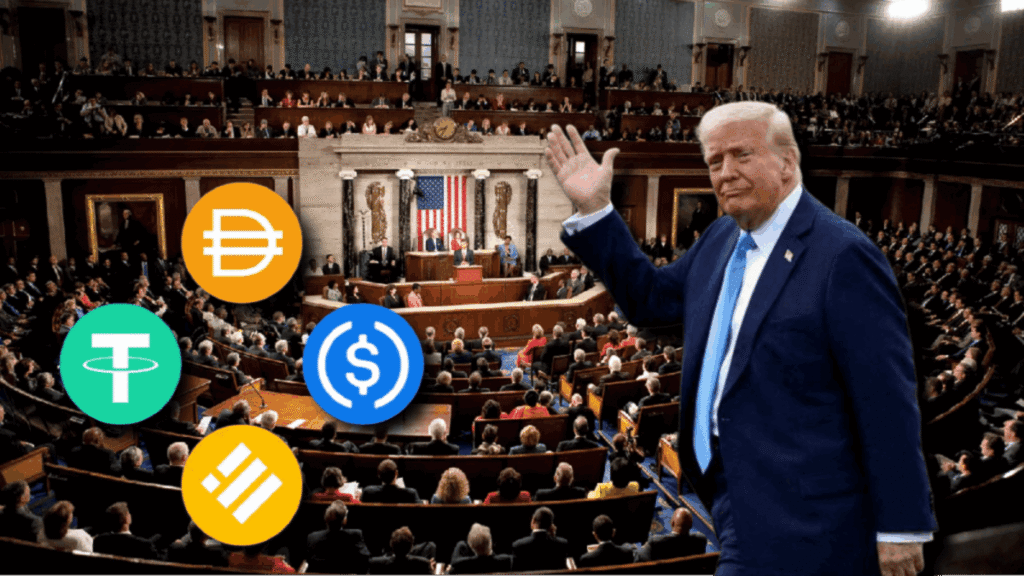
On June 17, 2025, the U.S. Senate, with broad bipartisan support, passed the Guiding and Establishing National Innovation for U.S. Stablecoins Act, or the GENIUS Act (“GENIUS Act”), creating an unprecedented federal regulatory structure for payment stablecoins. President Trump signed the bill on July 18, 2025. Additionally, the Digital Asset Market Clarity Act (“CLARITY Act”) […]
The Windsurf Saga: OpenAI, Google, and Cognition
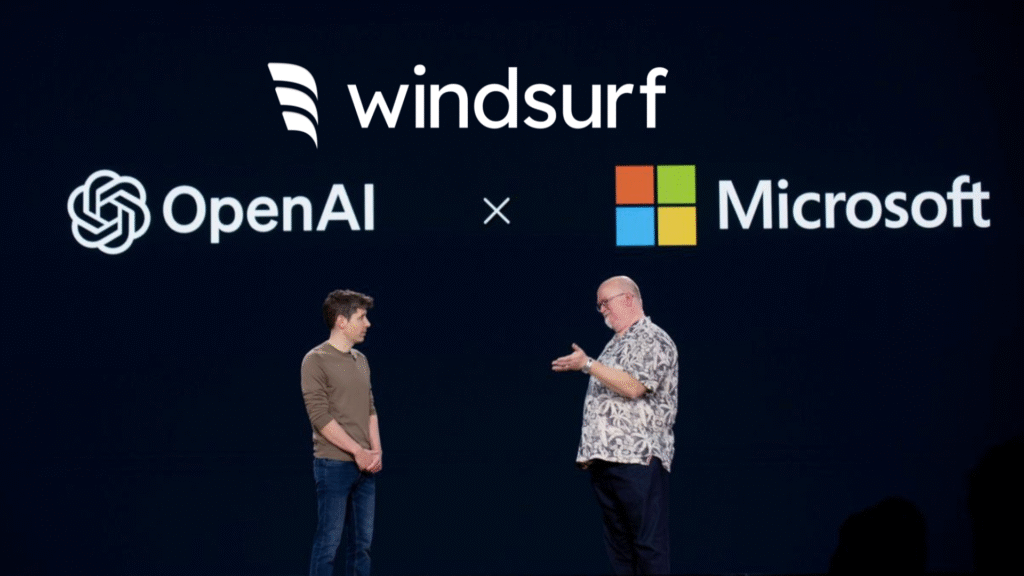
OpenAI’s ambitious $3 billion attempt to acquire AI coding startup Windsurf has officially collapsed as of July 11, derailed by tensions with Microsoft over intellectual property access and the expiry of a key exclusivity period. But the story doesn’t end there. Now that OpenAI is out of the picture, Google has swiftly stepped in with […]
The Legality of Training AI on Copyrighted Material: Kadrey vs. Meta and Bartz vs. Anthropic Compared

On June 25, a district court in California delivered a major decision that added great momentum to the conversations around fair use and the intersection of artificial intelligence with copyright law. In Kadrey v. Meta Platforms, Inc. (“Meta judgement”), Judge Vince Chhabria ruled that Meta’s use of the plaintiff-authors’ copyrighted works can be considered fair […]
Bartz V. Anthropic: Generative AI and The Fair Use Doctrine
In a major victory for artificial intelligence (AI) companies across Silicon Valley, a California district court passed an order on fair use on 23 June whereby it upheld Anthropic’s use of published literary works to train its large language model, Claude. This decision was delivered in the case of Bartz et al. v. Anthropic PBC […]
AI-Generated Defamation and Legal Liability: A Closer Look
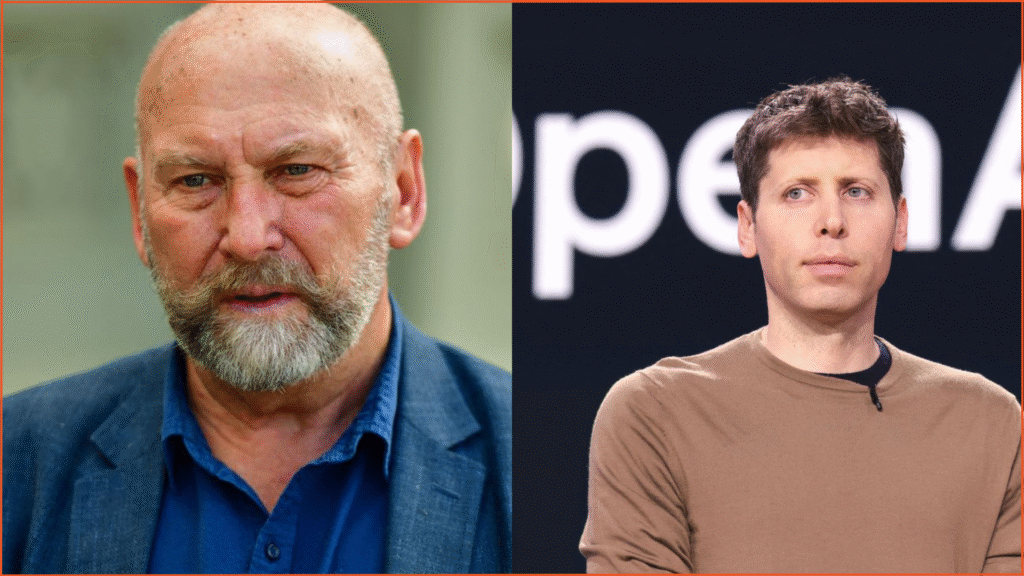
On April 5, 2023, Brian Hood, mayor of Australia’s Hepburn Shire, initiated what was billed as the world’s first defamation action against OpenAI, after ChatGPT mistakenly claimed he’d been imprisoned for bribery. Hood had been a whistleblower in a Reserve Bank–linked scandal and faced no criminal charges. His legal team issued a “concerns notice” under Australian defamation law […]
Like Company v. Google Ireland Limited: A Closer Look

Introduction: On 3 April 2025, the Budapest Környéki Törvényszék (Budapest Regional Court) referred a request for a preliminary ruling to the Court of Justice of the European Union (CJEU) pursuant to Article 267 of the Treaty on the Functioning of the European Union (TFEU). The request was made in the context of proceedings between Like […]